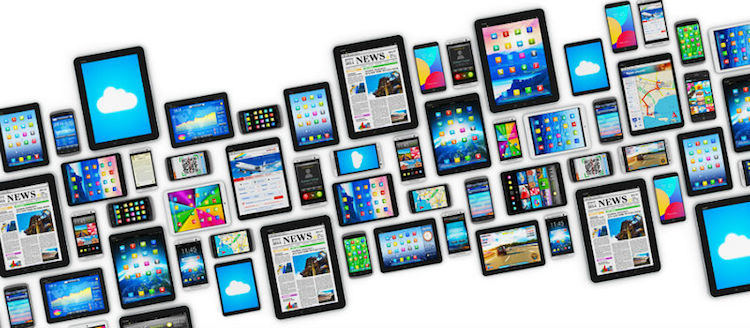
What Happens Inside Your Smartphone: The Technology Behind the Screen
The technology behind your smartphone screen is an intricate blend of engineering and design that brings your digital world to life. At the core of this marvel is the Liquid Crystal Display (LCD) or Organic Light-Emitting Diodes (OLED) technology, which works by manipulating light to create the vibrant images you see. These screens consist of millions of tiny pixels, each capable of displaying a range of colors. This process begins with the backlight or individual pixels lighting up to display images, controlled through complex circuitry and software. The ability to produce high-resolution images enables smartphones to support a variety of applications, from gaming to photography, enhancing your overall user experience.
Moreover, the touch sensitivity of smartphone screens is another captivating feature that employs a technology known as capacitive touch sensing. This allows your device to recognize your finger's touch through an electrostatic field, providing a seamless interaction experience. The screens are coated with a durable layer of gorilla glass or similar materials, ensuring that they can withstand daily wear and tear. Together, these technologies not only enhance visual quality but also empower functionalities like multi-touch gestures, which are essential for navigation and accessibility in modern smartphones.
If you're looking for a reliable way to charge your iPhone, consider one of the Top 10 iPhone Air MagSafe charging stands. These stands not only provide fast charging but also offer a convenient way to keep your phone upright while you use it. With various designs and features available, you can easily find one that suits your style and needs.
Unseen Connections: How Everyday Devices Communicate With Each Other
In today's interconnected world, the unseen connections between everyday devices form a complex web of communication that enhances our daily lives. From smart phones to home appliances, these devices utilize various technologies like Wi-Fi, Bluetooth, and cellular networks to share information seamlessly. For instance, a smart thermostat can autonomously adjust your home’s temperature based on data collected from your smartphone's location, highlighting how inter-device communication contributes to energy efficiency and overall convenience. In this quiet yet powerful ecosystem, devices not only serve individual purposes but also work in harmony to create a more efficient living environment.
The rise of the Internet of Things (IoT) further exemplifies these unseen connections. A network of sensors and gadgets communicates continuously, enabling users to control everything from security systems to kitchen appliances with just a few taps on their smartphone. Consider a typical day: your smartwatch tracks your fitness data and syncs it with an app on your phone, while your refrigerator alerts you when supplies are running low. This interconnectivity not only simplifies tasks but also enhances our ability to make informed decisions about our lifestyle and consumption patterns. As these technologies advance, the importance of understanding and optimizing these connections becomes crucial, especially for businesses looking to leverage IoT in their operations.
Are Your Devices Listening? Debunking Myths About Privacy and Surveillance
The idea that our devices are constantly listening to us has sparked widespread concern about privacy and surveillance. Many individuals believe that their smartphones, smart speakers, and other connected devices are eavesdropping on their conversations, feeding data back to corporations and governments. However, while it's true that many devices have the capability to listen, they only activate their microphones in response to specific wake words or commands. For example, a voice assistant like Siri or Google Assistant is designed to listen for that particular phrase before processing audio. Therefore, the notion that these devices are constantly capturing our private discussions is largely a myth.
To further debunk these fears, it's important to understand how data collection works. When we use apps and online services, we often consent to data collection through the terms and conditions we accept without reading. This data, mostly aggregated and anonymized, is what powers targeted advertising and personalized experiences. However, this is quite different from direct surveillance or invasive monitoring of our conversations. The risks to privacy primarily stem from data breaches and misuse of information, rather than devices actively listening in. Staying informed about privacy settings and regularly reviewing permissions can help users take control over their personal data and maintain a degree of privacy in a digital age.