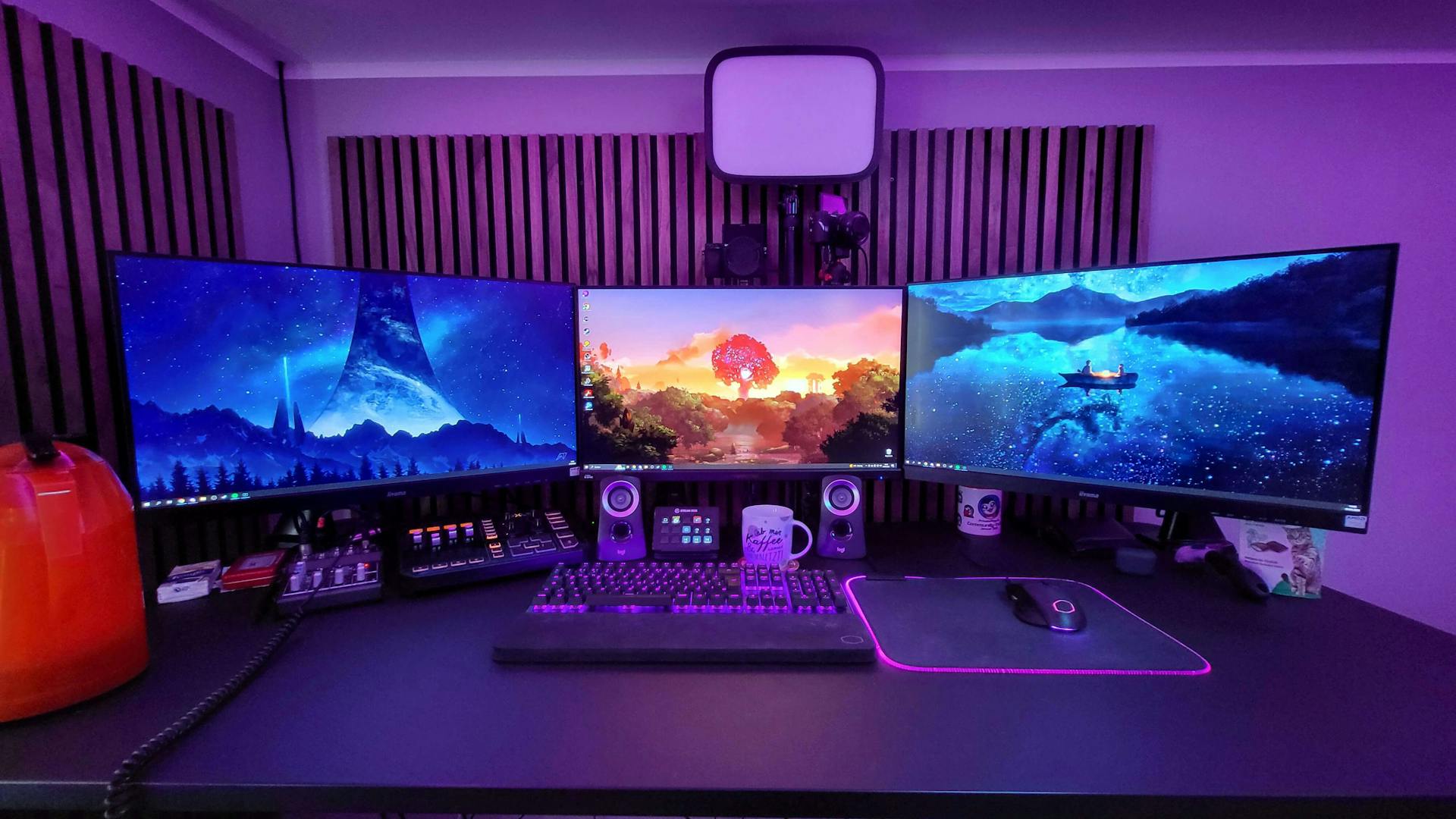
Unlocking Creative Potential: How Gaming Fuels Innovative Thinking
Gaming has evolved beyond mere entertainment, serving as a vital tool for enhancing creativity and innovative thinking. By engaging with complex narratives and problem-solving scenarios, players are often required to think on their feet, adapt strategies, and explore out-of-the-box solutions. This immersive environment encourages a mindset geared toward creative potential, allowing individuals to transfer these skills into real-world applications. Video games that emphasize critical thinking, collaboration, and resource management can significantly enhance cognitive flexibility, fostering a culture of innovation.
Moreover, the social interactions facilitated by gaming platforms create a dynamic learning environment where diverse perspectives are shared. Collaborative play encourages teamwork and the ability to brainstorm effectively, further unlocking creative potential. As players navigate challenges together, they learn to appreciate different viewpoints, which stimulates innovative thinking. In essence, gaming not only hones individual skills but also cultivates a community of thinkers ready to tackle complex problems with creativity and enthusiasm.
If you're looking to extend the reach of your USB devices, check out our list of the Top 10 USB Extension Cables. These cables offer a reliable solution for connecting peripherals at a greater distance without sacrificing performance. Whether for charging or data transfer, you'll find options that suit various needs and setups.
From Pixels to Possibilities: The Real-Life Benefits of Gaming on Creativity
Video games are often seen merely as entertainment, but their impact extends far beyond the screen. Engaging with interactive stories and immersive worlds allows players to explore complex narratives that challenge their thinking. For example, games like The Legend of Zelda not only encourage problem-solving but also foster a sense of adventure and discovery. As players navigate through quests and puzzles, they develop creativity by envisioning strategies and solutions that may not be immediately apparent. This cognitive engagement translates into real-life skills, making gaming a valuable investment in one's creative development.
Moreover, gaming fosters collaboration and teamwork, essential components of creative thinking. Multiplayer games encourage players to communicate, share ideas, and form strategies together. This sense of community can spur innovative ideas and inspire players to think outside the box. According to recent studies, individuals who regularly engage in gaming often exhibit increased creative problem-solving abilities in their personal and professional lives. By translating the skills learned in virtual realms to real-world applications, gamers unlock a world of possibilities, proving that the benefits of gaming extend far beyond mere pixels on a screen.
Can Gaming Enhance Your Problem-Solving Skills? Exploring the Connection
In recent years, the debate over whether gaming can enhance your problem-solving skills has gained significant traction among educators and psychologists. Various studies have shown that video games, particularly those that require strategic thinking and quick decision-making, can foster cognitive abilities such as spatial awareness, critical thinking, and adaptability. For instance, role-playing games (RPGs) and puzzle-based games often present players with complex challenges that necessitate creative solutions, allowing them to sharpen their analytical skills in a simulated environment.
Moreover, the social aspect of gaming can further contribute to developing these skills. Many multiplayer games require collaboration and communication, forcing players to work together to devise strategies and overcome obstacles. This collaborative problem-solving can translate into real-world scenarios, enhancing teamwork abilities and interpersonal skills. Ultimately, the connection between gaming and enhanced problem-solving skills reflects a growing recognition of the potential educational benefits of gaming as a dynamic tool for cognitive development.