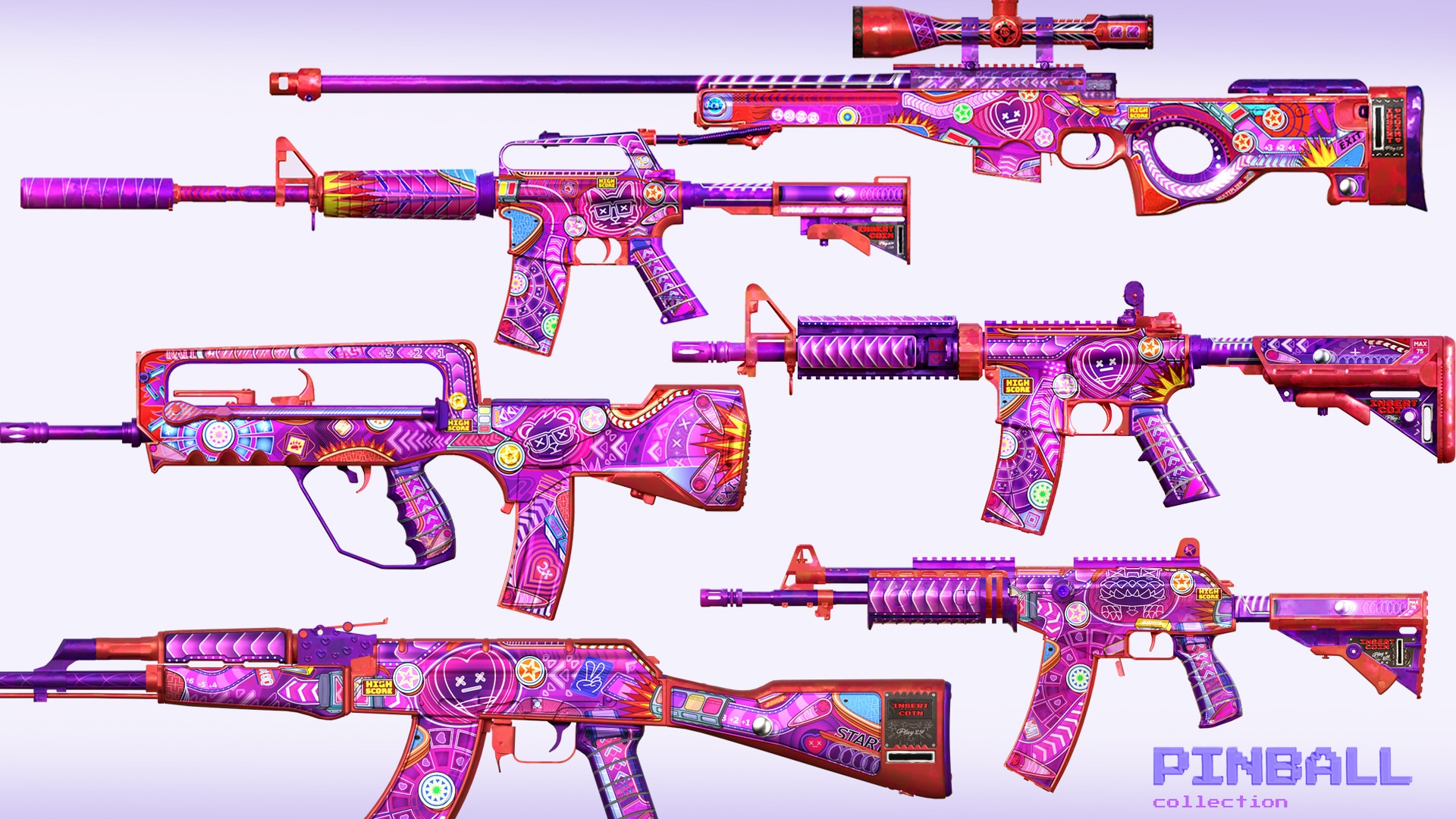
Understanding the Cultural Significance of Skins in CS2
The introduction of skins in Counter-Strike 2 (CS2) has revolutionized the way players interact with the game. These digital artifacts are not merely cosmetic enhancements; they symbolize cultural significance within the gaming community. Skins have evolved into expressions of individuality, allowing players to showcase their personality and style. As a result, the skin market has flourished, creating a vibrant economy where rare and unique designs can command impressive prices. This economic aspect adds another layer of depth to the game, influencing player behavior and investment within the CS2 universe.
Moreover, skins in CS2 carry a deeper meaning beyond aesthetics and value. They often reflect the game's diverse community and cultural trends, incorporating elements from pop culture, art, and even social issues. For instance, specific skins have been designed to pay homage to historical events or popular media, fostering a sense of connection among players. This cultural intertwining not only enhances the overall gaming experience but also transforms skins into a form of storytelling, making them an integral part of CS2's cultural significance.
Counter-Strike is a popular first-person shooter game that has captivated players since its inception. The game revolves around team-based gameplay, where players can choose to be either terrorists or counter-terrorists. As players progress, they often look for ways to enhance their gaming experience, and one such option is to Unlock CS2 Premier Mode, which offers more competitive matches and features.
The Evolution of CS2 Skins: From Gameplay to Art
The evolution of CS2 skins represents a fascinating intersection of gameplay mechanics and artistic expression. Initially, skins in the Counter-Strike series were merely visual upgrades, designed to enhance the player’s weapons without affecting the core gameplay. Over the years, however, these skins transformed into a form of digital art, showcasing a wide range of designs, themes, and artistic techniques. With the introduction of user-generated content, players began to create and submit their own designs, leading to an explosion of diversity in skin offerings. This shift not only added depth to the gaming experience but also fostered a vibrant community of artists within the gaming world.
Today, CS2 skins are much more than just cosmetic additions; they have evolved into valuable assets with their own marketplaces. Players can trade, buy, and sell these skins, creating an economy that attracts not only gamers but also investors. This financial aspect further amplifies the artistic value, with rare and intricately designed skins fetching astronomical prices. As the appreciation for these digital artworks continues to grow, the line between gameplay and art becomes increasingly blurred, highlighting how CS2 skins encapsulate both personal expression and economic investment in the gaming community.
Do Skins Affect Player Identity and Performance in CS2?
The discussion around skins in Counter-Strike 2 (CS2) often transcends mere aesthetics, delving into how these virtual items impact player identity and overall performance. For many players, skins serve as a form of personal expression, allowing them to showcase their style and individuality during gameplay. This connection between a player's chosen skin and their identity can positively influence their engagement and enjoyment of the game. Moreover, the psychological aspect of wearing unique or rare skins can boost a player's confidence and motivation, affecting their overall performance on the battlefield.
On the flip side, some argue that the influence of skins in CS2 could introduce an unintentional bias, where players perceive those with rare skins as more skilled. This perception might create a level of pressure or expectation that could negatively impact performance, particularly for newer or less experienced players. Ultimately, while skins can enhance player identity, it's crucial to recognize that performance in CS2 relies on skill, strategy, and teamwork rather than aesthetic choices alone. The balance between these elements shapes the gaming experience and contributes to the ongoing dialogue about the role of skins in competitive gaming.