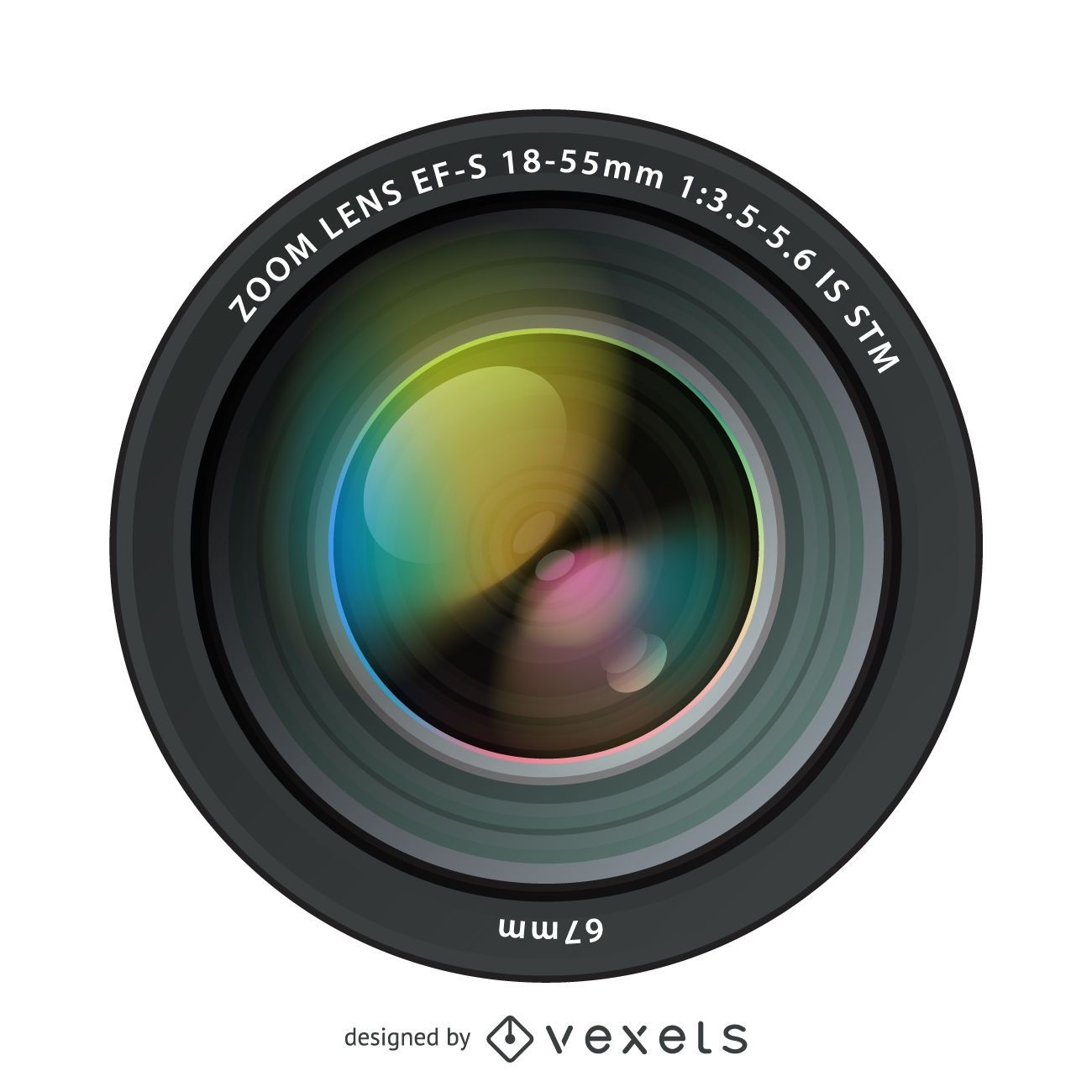
Understanding Focal Length: How It Shapes Perception and Depth
Understanding focal length is essential for photographers and videographers alike, as it plays a crucial role in shaping how we perceive depth and perspective in an image. Focal length, measured in millimeters (mm), determines how zoomed in or out a photo appears, which in turn influences the amount of background and foreground captured. A short focal length (e.g., 18mm) provides a wider field of view, making it ideal for landscapes and architecture, while a long focal length (e.g., 200mm) allows for close-up shots of distant subjects, creating a more compressed perspective that often highlights detail and separates the subject from the background.
The impact of focal length extends beyond just framing; it also affects the perception of depth within an image. As focal length increases, the background elements tend to appear closer to the subject, which can create a more intimate feel. Conversely, using a shorter focal length can enhance the sense of depth by exaggerating the distance between the foreground and background. This manipulation of perception through focal length is a powerful tool in a photographer's kit, allowing them to express emotions and narratives simply by adjusting their lens.
Counter-Strike is a popular tactical first-person shooter video game series that emphasizes teamwork and strategy. Players can choose to be part of terrorist or counter-terrorist teams, working to complete objectives or eliminate the opposing team. The game has evolved over the years, with the latest version, Counter-Strike: Global Offensive, introducing new maps, weapons, and gameplay mechanics. For those looking to enhance their gaming experience, check out these Top 10 iphone accessories under 50 that can boost performance and enjoyment.
The Magic of Aperture: Manipulating Light to Change Your Perspective
In photography, aperture refers to the opening in a lens that allows light to hit the camera's sensor. By manipulating this crucial element, photographers can profoundly change their perspective on a scene. A larger aperture (a smaller f-stop number) allows more light to enter the camera, creating a shallower depth of field. This results in stunning bokeh effects, where the subject is in sharp focus while the background blurs beautifully. Conversely, a smaller aperture (a larger f-stop number) increases the depth of field, allowing for sharp details both in the foreground and background—a technique often employed in landscape photography to capture the grandeur of vast vistas.
Understanding the magic of aperture opens up a world of creative possibilities. For instance, using a wide aperture can bring a sense of intimacy to your portraits, isolating the subject from distracting elements in the background. On the flip side, when documenting expansive landscapes, a narrow aperture helps maintain clarity throughout the image. Photographers can also experiment with different apertures to create unique visual stories by contrasting light and shadow, illuminating specific details while concealing others. By learning to control aperture settings, photographers can masterfully manipulate light, guiding viewers' eyes and emotions through their images.
Lenses and Realities: How Different Types Transform Our View of the World
In the realm of perception, lenses serve not only as optical devices but as powerful metaphors for how we interpret the world around us. Different types of lenses, from photographic and prescription to virtual reality goggles, fundamentally alter our experience of reality. For instance, a photographer uses a wide-angle lens to capture expansive landscapes, transforming the way a viewer perceives space. Similarly, strong prescription lenses correct vision, allowing individuals to engage with their environment more clearly. Thus, the various types of lenses remind us that while our eyes may perceive the same scene, the context provided by the lenses changes our understanding and interpretation of that scene.
Moreover, these lenses can extend metaphorically to different frames of reference in life. For example, viewing a situation through the lens of optimism tends to yield a more positive outlook, while a pessimistic lens might lead to negativity. This transformative concept extends further into the digital age; virtual reality not only changes the way we experience entertainment but also has the potential to influence empathy and social connections. In summary, just as different lenses enhance our vision in the physical world, they also shape our realities, allowing us to explore diverse perspectives and experiences in life.