Understanding the Role of Hubs in Today's Digital Infrastructure
In today's rapidly evolving digital landscape, understanding the role of hubs in digital infrastructure is crucial for businesses and individuals alike. Hubs serve as central points that facilitate the flow of data and connectivity across various platforms and networks. These hubs can be seen in multiple forms, from cloud service providers to content delivery networks (CDNs) that ensure efficient distribution of digital content. With the exponential growth of online services and the increasing demand for seamless user experiences, the significance of these hubs cannot be overstated.
Moreover, hubs play a vital role in enhancing collaboration and innovation within the tech ecosystem. By providing a centralized location for resources, stakeholders can share information, tools, and expertise more effectively. This interconnectedness not only boosts productivity but also encourages the development of new technologies and services. In fact, many successful tech companies attribute their rapid growth to the strategic use of digital hubs that streamline operations and foster community engagement.
In today's tech-savvy world, having the right peripherals can enhance your user experience significantly. Among the essential tools, the Top 10 USB Accessories can offer functionality and convenience, from high-speed data transfer cables to versatile hubs and compact flash drives. Elevate your device's connectivity and expand its capabilities with these must-have items!
How Hubs Connect Us All: A Deep Dive into Their Functionality
Hubs serve as essential connection points in various contexts, whether it be in transportation, technology, or communities. At their core, a hub consolidates diverse pathways into a single point, streamlining the process of interaction and communication. In the digital realm, a hub can refer to platforms that facilitate the sharing of information, resources, and services. By allowing users to connect easily, these hubs foster collaboration and innovation, driving progress in ways that were previously unimaginable.
Understanding the functionality of hubs can unveil their profound impact on our daily lives. For instance, in the realm of social media, platforms like Facebook and LinkedIn act as networking hubs where individuals can forge connections, share ideas, and grow their influence. Additionally, in the logistics sector, transportation hubs such as airports and shipping ports optimize the flow of goods and people. These hubs exemplify the interconnectedness of our modern world, demonstrating how a single point can radiate influence, enabling seamless interactions across various domains.
Are Hubs the Key to Unlocking Faster Internet Speeds?
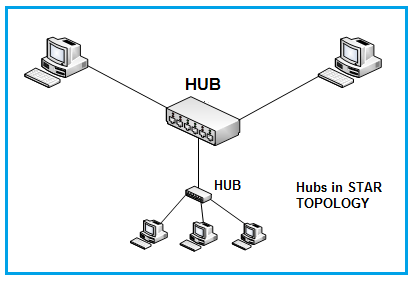
In the ever-evolving world of internet technology, hubs have emerged as critical components in enhancing connectivity and speed. A hub functions as a central point that manages the data traffic between multiple devices, enabling seamless communication. By strategically placing hubs throughout a network, users can experience significantly reduced latency and faster data transfer rates. This is especially important in environments where numerous devices are connected, such as homes with smart technology or busy office settings. The efficiency brought by hubs can often mean the difference between a frustratingly slow internet experience and one that operates at optimal speeds.
Moreover, the integration of more advanced types of hubs, such as Ethernet switches and wireless access points, can provide even greater benefits. These devices not only facilitate faster speeds but also enhance network management by prioritizing traffic and reducing congestion. As demand for high-speed internet continues to rise due to streaming, online gaming, and remote work, the role of hubs becomes increasingly crucial. By investing in robust networking equipment, users can unlock a faster and more reliable internet experience, making hubs a key factor in achieving exceptional connectivity.