10 Surprising Uses of Silicone You Didn't Know About
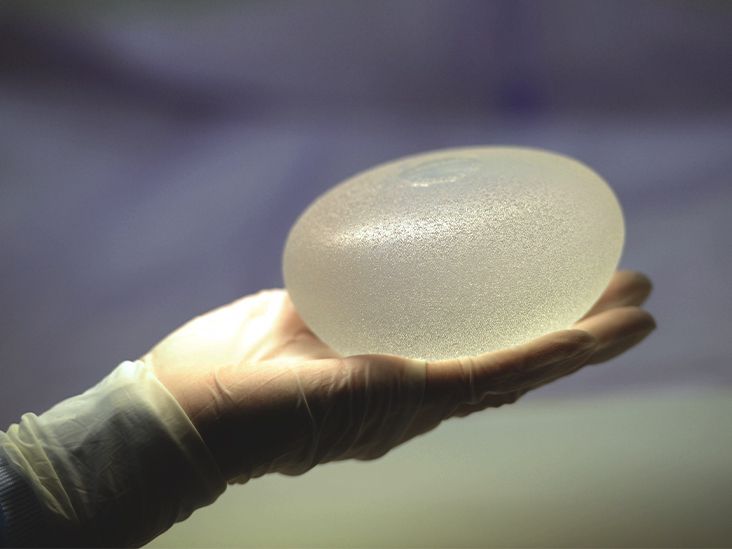
Silicone has become a household name, known primarily for its use in kitchenware and baking mats. However, it boasts a variety of surprising applications that often go unnoticed. For instance, did you know that silicone is used in medical implants? This versatile material is biocompatible and can be found in everything from prosthetics to breast implants, providing both safety and comfort to patients. Beyond the medical field, silicone also plays a critical role in electronic devices. It is used as a protective coating for components, ensuring they remain safe from moisture and environmental damage.
In addition to its uses in healthcare and technology, silicone serves innovative purposes in our everyday lives. One remarkable application is its role in beauty products. Silicone-based ingredients can provide a smooth texture in makeup and skincare, creating a barrier that helps to lock in moisture for a healthier appearance. Furthermore, silicone is perfect for home improvement projects, as it can be used as a waterproof sealant in kitchens and bathrooms, preventing leaks and mold growth. These unexpected uses illustrate just how integral silicone has become in various industries and day-to-day activities.
Keeping your keyboard clean is essential for optimal performance and longevity. One effective way to protect your keyboard from dust, spills, and debris is by using a dust cover. To find the best options available, check out our list of the Top 10 Keyboard Dust Covers that cater to various keyboard styles and needs.
How Silicone Revolutionized Everyday Products: A Deep Dive
Silicone has become an integral part of our daily lives, revolutionizing a vast array of products we often take for granted. From kitchenware to medical devices, this versatile material offers exceptional durability and flexibility, surpassing traditional materials like rubber and plastic. The unique chemical properties of silicone allow it to withstand extreme temperatures, maintain its shape, and resist moisture and chemicals, making it the perfect choice for both consumer goods and industrial applications. Products such as baking mats, spatulas, and silicone molds have transformed cooking and baking, enabling better food release and easier cleanup.
In addition to its culinary applications, silicone has made significant strides in the realm of personal care and home goods. Silicone is commonly used in products such as hair tools, skincare applicators, and even baby products due to its hypoallergenic properties and ease of cleaning. Furthermore, the rise of eco-conscious consumers has led to an increasing demand for silicone-based alternatives, as they are often more sustainable and long-lasting compared to traditional plastics. As we dive deeper into the impact of silicone on our everyday lives, it becomes evident that this remarkable material will continue to reshape the way we perceive and use everyday products.
Is Silicone Safe? Debunking Myths and Misconceptions
The safety of silicone has been a topic of debate, often shrouded in myths and misconceptions. Many people worry about its potential health risks, including concerns about toxicity and allergens. However, extensive research has shown that silicone, especially the food-grade and medical-grade varieties, is generally considered safe for use. It is chemically stable, meaning it does not react with other substances, and it is non-toxic, which makes it a popular choice in various applications such as kitchenware, bakeware, and medical devices.
Another common myth is that silicone can leach harmful substances into food or the body. In reality, high-quality silicone is designed to withstand high temperatures and is often used in cooking and baking environments without compromising safety. To dispel these concerns, it’s essential to recognize that silicone doesn’t contain harmful chemicals, and when properly cared for, it lasts a long time without degrading. Always look for products labeled as BPA-free and silicone that has been certified for food or medical use to ensure you're making a safe choice.