How I Went from Playing for Fun to Competing in CSGO Tournaments
My journey into the world of CSGO began like many others: playing casually with friends after school. The thrill of taking down my opponents and securing victories brought joy and camaraderie that kept me coming back for more. However, as I spent countless hours mastering weapons and strategies, I realized there was a vibrant community beyond just playing for fun. I started watching professional tournaments, learning from skilled players, and absorbing their gameplay techniques and tactics. This newfound passion ignited a fire within me to elevate my skills and experience the competitive side of Counter-Strike: Global Offensive.
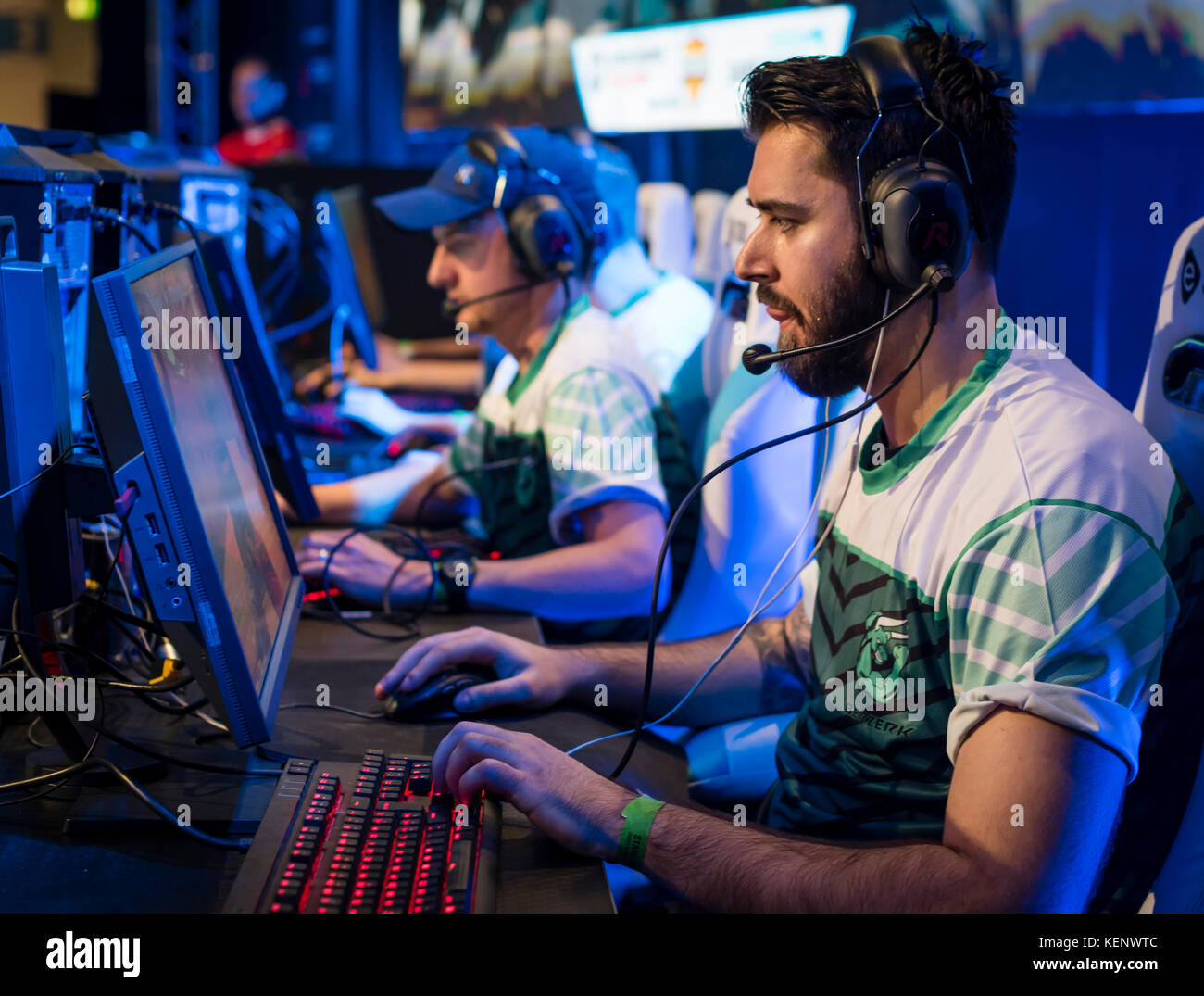
After months of practice and dedication, I decided to take the plunge and participate in local CSGO tournaments. The atmosphere was electrifying, and the sense of competition was unlike anything I've ever experienced. Each match was a test of skill, strategy, and teamwork. I remember my first tournament vividly; the adrenaline rush was intense, and I quickly learned the importance of communication and coordination with my teammates. This transformation from casual player to competitive gamer not only improved my skills but also connected me with a community that shares my passion for Counter-Strike.
Counter-Strike is a popular first-person shooter game that emphasizes teamwork, strategy, and skill. Players can customize their gameplay experience through various settings, one notable example being kennyS settings, which are favored by professional players for enhanced performance. The game has evolved over the years, with multiple iterations and a strong competitive scene, making it a favorite among gaming enthusiasts.
Top Tips for Aspiring CSGO Players: Transitioning from Casual to Competitive
As an aspiring CSGO player, transitioning from a casual environment to the competitive scene can be both thrilling and challenging. To start your journey, it’s essential to develop solid fundamentals. Focus on improving your aim, crosshair placement, and understanding of map layouts. Regularly practicing your shooting mechanics in aim training tools or dedicated aim maps can significantly enhance your skills. Additionally, consider watching professional players and tutorials to learn advanced techniques and strategies that can give you an edge over your opponents.
Another crucial aspect of transitioning to competitive CSGO is to find the right community to support your growth. Joining online forums or local gaming groups can provide you with invaluable tips and mentorship from seasoned players. Additionally, partake in scrims and small tournaments to gain real-game experience and learn how to perform under pressure. Remember, communication and teamwork are vital components in competitive play, so make sure to develop your ability to effectively collaborate with your teammates for better overall performance.
What It Takes to Become a Professional CSGO Player: A Step-by-Step Guide
Becoming a professional CSGO player requires a combination of skill, dedication, and strategic planning. First and foremost, players must hone their gameplay mechanics by investing countless hours into practice. This includes mastering shooting techniques, map awareness, and understanding game mechanics. To kickstart your journey, follow these essential steps:
- Develop Your Skills: Spend time in aim training maps and practice your reflexes.
- Study the Game: Analyze professional matches, paying attention to strategies and positioning.
- Communicate Effectively: Work as a team player and practice your in-game communication.
In addition to technical skills, aspiring CSGO professionals must also focus on their mental and physical well-being. Maintaining a healthy lifestyle, including regular exercise and proper nutrition, can significantly enhance performance. Moreover, setting realistic goals and tracking your progress will help in staying motivated. Here’s a brief overview of what to consider:
- Set Goals: Define short-term and long-term objectives for your gameplay.
- Join a Community: Engage with other players and join forums or local teams.
- Participate in Tournaments: Gain experience and exposure by competing in local and online competitions.