Mastering the Art of Deception: Top Sneaky Stratagems for Wingman Wins
Mastering the Art of Deception is an essential skill for any wingman looking to secure success. Whether you’re navigating the complex dynamics of social interactions or simply aiming to create an inviting atmosphere, employing a few top sneaky stratagems can be the key. Here are some effective techniques to keep in your arsenal:
- Casual Confidence: Approach the situation with an air of self-assuredness. Confidence can act as a magnet, drawing attention and creating intrigue.
- Subtle Commentary: Craft indirect compliments for your target. For instance, praising your wingman's qualities while steering the focus toward the potential romantic interest can enhance intrigue.
- Misdirection: Engage in lighthearted banter to distract from awkward moments or to shift the conversation to more positive or humorous territories.
However, mastering deception isn’t just about specific tactics—it's also about reading the room. Pay close attention to all the parties involved and adapt your strategy accordingly. Remember, the goal is to foster a connection, not to manipulate. Effective wingmen know when to pull back and let their friends take the reins. Here are some tips for reading those social cues:
- Observational Skills: Be mindful of body language, facial expressions, and even vocal tones to gauge comfort levels and engagement.
- Feedback Loops: Continue to check in with your wingman. Their comfort and confidence are just as important as the strategies you employ.
- Adaptability: Be prepared to change your approach if something isn’t working. Flexibility can often lead to unexpected victories.
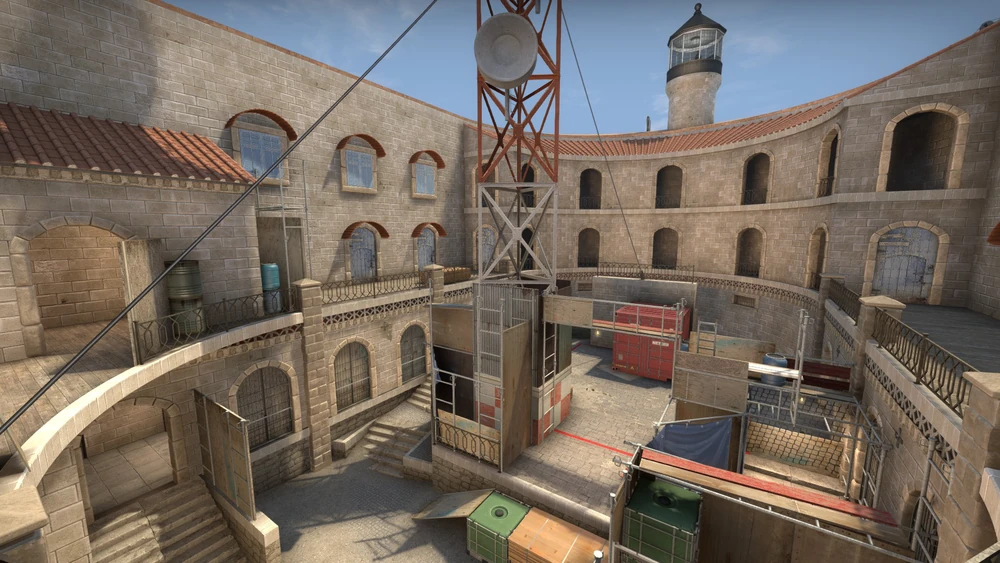
Counter-Strike is a highly competitive tactical first-person shooter that has captivated gamers around the world. Players can customize their loadouts with various weapons, including the popular m4a1s skins, which add a unique aesthetic to gameplay. With its emphasis on teamwork and strategy, Counter-Strike remains a staple in the esports community.
The Psychology of Your Opponent: How to Outsmart Them with Clever Tactics
Understanding the psychology of your opponent is crucial in competitive scenarios, whether in sports, business negotiations, or strategic games. By analyzing their behaviors, motivations, and emotional responses, you can gain insight into how they think and act under pressure. For instance, consider employing tactics such as:
- Observing non-verbal cues to gauge their confidence.
- Identifying their decision-making patterns during high-stakes moments.
- Using psychological tactics like bluffing to manipulate their responses.
Such insights not only inform your strategy but also empower you to anticipate their moves, ultimately giving you an edge.
Another effective way to outsmart your opponent is by strategically implementing clever tactics that challenge their expectations. Introducing unexpected elements can disrupt their focus and create openings for you to exploit. For example, consider using misdirection or feints to divert attention while executing your true strategy. Additionally, building rapport with your opponent can lead them to underestimate your capabilities, allowing you to strike when they least expect it. Remember, the key to effective competition lies in transforming insight gathered from understanding your opponent into actionable strategies that enhance your chances of success.
What are the Most Effective Sneaky Strategies in Competitive Play?
In competitive play, understanding your opponents is just as crucial as mastering your own skills. One of the most effective sneaky strategies involves creating distractions to mislead your rivals. For example, players often utilize feints or baiting techniques, where they intentionally present a seemingly advantageous position that lures opponents into a trap. This tactic not only gives you the upper hand but also allows you to capitalize on their mistakes, turning the tide of the game in your favor.
Another powerful sneaky strategy is the use of surprise tactics that can catch your opponents off-guard. These can include sudden changes in gameplay style, unexpected moves, or even unconventional strategies that the other players are unprepared for. One effective method is to keep a varied playbook and continually adapt your approach based on what you observe during the match. By doing so, you maintain an element of surprise, ensuring that your competition is always playing catch-up rather than dictating the pace of the game.