Understanding Lumens, Watts, and Color Temperature: Your Practical Guide to Brightness, Energy, and Ambiance
Navigating the world of lighting can feel like deciphering a secret code, but understanding key terms like lumens, watts, and color temperature is your first step towards making informed decisions for your home or office. Forget the old adage that higher wattage means brighter light; with modern LED technology, this is no longer the case. Lumens are the true measure of brightness, indicating the total amount of visible light emitted from a source. So, when you’re comparing bulbs, always look for the lumen rating to ensure you’re getting the illumination you need. Watts, on the other hand, measure the amount of energy a light source consumes. This means a lower wattage LED can produce the same or even more lumens than a high-wattage incandescent bulb, leading to significant energy savings on your utility bill.
Beyond just brightness and energy efficiency, color temperature plays a crucial role in setting the mood and functionality of a space. Measured in Kelvins (K), color temperature describes the visual appearance of the light emitted. For instance, a lower Kelvin value (around 2700K-3000K) produces a warm, yellowish light often described as 'soft white' or 'warm white,' perfect for creating a cozy and relaxing ambiance in living rooms or bedrooms. Conversely, a higher Kelvin value (5000K-6500K) yields a cooler, bluer light, often called 'daylight' or 'cool white,' which is ideal for task-oriented areas like kitchens, offices, or workshops where clarity and focus are paramount. Selecting the right color temperature can significantly impact productivity, comfort, and the overall aesthetic appeal of any room.
Fixture Types Explained: From Recessed to Pendants, Choosing the Right Light for Every Space and Style
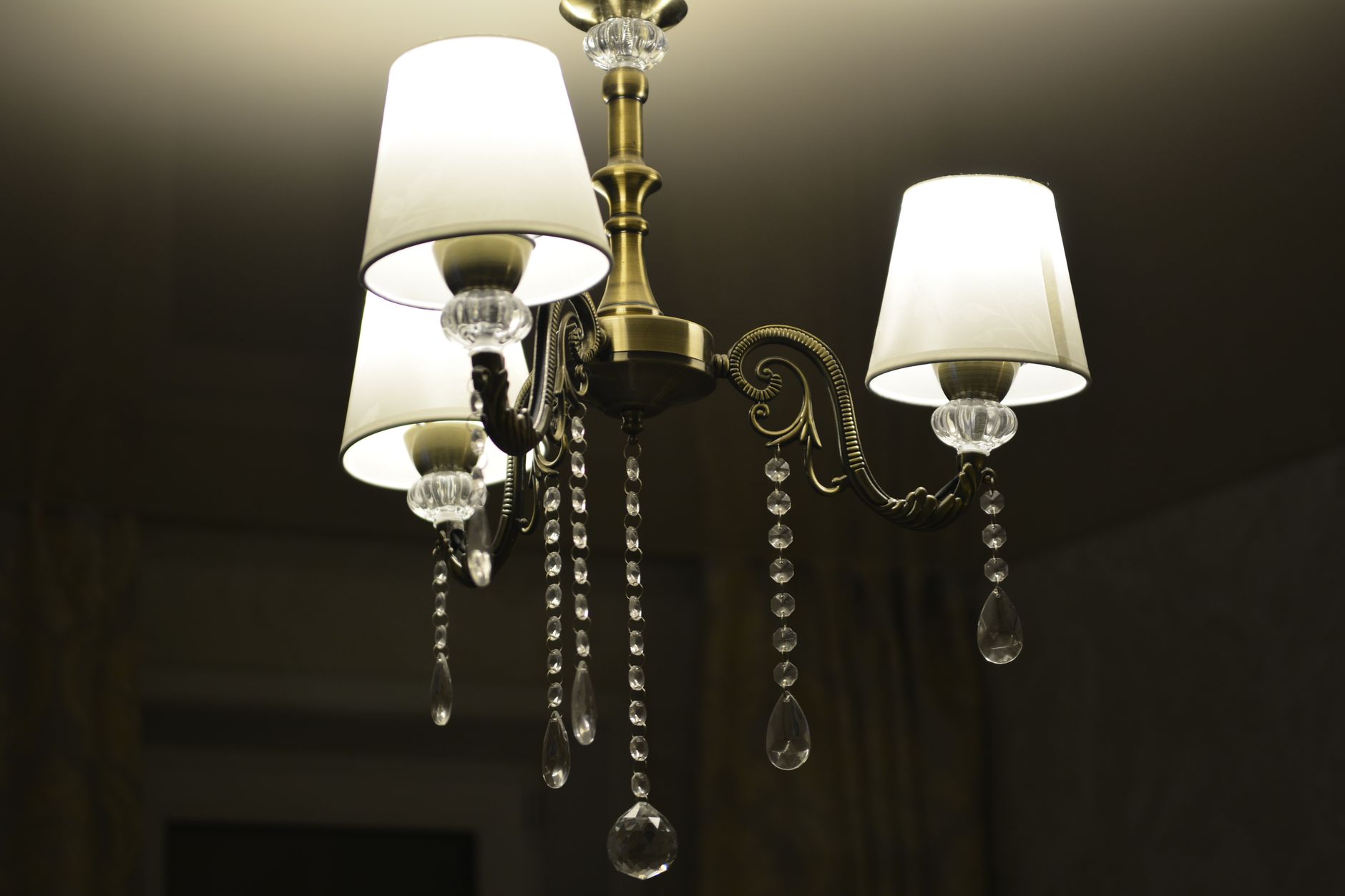
Navigating the vast array of lighting fixture types can seem daunting, but understanding the fundamental differences is key to creating a well-lit and aesthetically pleasing space. From the sleek minimalism of recessed lighting that discreetly illuminates a room, to the dramatic statement made by a grand chandelier, each type serves a unique purpose. For instance, track lighting offers incredible versatility, allowing you to direct light precisely where needed – perfect for highlighting artwork or architectural features. Alternatively, flush mounts and semi-flush mounts provide ambient lighting in rooms with lower ceilings, ensuring a balanced glow without consuming valuable vertical space. Ultimately, the 'right' light isn't just about brightness; it's about how the fixture integrates with your room's design, function, and the mood you aim to evoke.
When selecting fixtures, consider both form and function. Pendants, for example, are incredibly popular over kitchen islands or dining tables, providing focused task lighting while also acting as a significant decorative element. Their height can often be adjusted, offering flexibility in different settings. Wall sconces, on the other hand, are excellent for adding accent lighting, defining pathways, or creating a cozy atmosphere in hallways and bedrooms. They often cast a softer, indirect glow. Don't overlook the power of portable lighting like table and floor lamps, which offer flexible illumination and can be easily rearranged to adapt to changing needs or room layouts. By thoughtfully combining these various fixture types, you can layer light effectively, ensuring every corner of your space is not only illuminated but also beautifully enhanced.