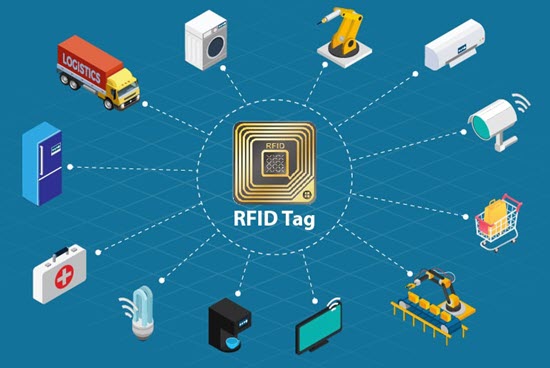
How RFID Technology is Revolutionizing Supply Chain Management
The advent of RFID technology has significantly transformed Supply Chain Management, enabling businesses to enhance operational efficiency and reduce costs. By implementing RFID systems, companies can automate the tracking of inventory, minimize human errors, and gain real-time visibility into their supply chains. With RFID tags affixed to products, organizations can monitor the movement of goods from production to warehousing and shipping, streamlining processes and improving accuracy throughout the entire supply chain. This not only saves time but also enhances customer satisfaction by ensuring timely deliveries and reducing stockouts.
Moreover, the integration of RFID in Supply Chain Management facilitates better data analysis and decision-making. Companies can leverage the data collected through RFID systems to identify trends, optimize stock levels, and forecast demand with greater precision. According to a recent study, businesses utilizing RFID technology reported a 30% reduction in inventory costs and a 50% decrease in out-of-stock instances. As more organizations embrace RFID solutions, the technology continues to play a pivotal role in creating a smarter, more efficient supply chain.
Counter-Strike is a highly competitive first-person shooter game that has captivated gamers worldwide since its release. Players can choose to be part of the terrorist or counter-terrorist team, engaging in tactical gameplay that requires skill and strategy. For those looking to protect their financial information while enjoying their gaming sessions, check out the Top 10 RFID Blocking MagSafe Wallets that combine style with functionality.
The Benefits of RFID: Enhancing Efficiency and Accuracy
RFID technology, or Radio Frequency Identification, has transformed the way businesses manage their inventory and streamline operations. One of the primary benefits of RFID is its ability to enhance efficiency. By automating the inventory tracking process, companies can significantly reduce the time spent on manual stock takes. As a result, businesses experience quicker turnaround times and an increase in productivity. With RFID, items can be scanned from a distance without having to handle or unpack them, leading to a more seamless inventory management process.
In addition to improved efficiency, RFID technology also boosts accuracy in data management. Traditional barcode systems often require line-of-sight scanning, which can result in human error and miscounts. In contrast, RFID tags can be read simultaneously, allowing for instant and precise tracking of multiple items. This enhanced accuracy minimizes stock discrepancies and ensures that businesses always have an up-to-date view of their inventory levels. Overall, adopting RFID can lead to better decision-making and improved customer satisfaction.
What You Need to Know About RFID: Myths and Facts
RFID (Radio Frequency Identification) technology has become increasingly prevalent in a variety of industries, yet many misconceptions still surround it. One common myth is that RFID systems are only used for tracking products in retail settings. In reality, RFID has a wide range of applications, including asset management in hospitals, livestock tracking on farms, and even passport security at border controls. Understanding the versatility of RFID technology can help businesses and individuals harness its potential for enhancing efficiency and security.
Another prevalent myth is that RFID tags are inherently insecure and that unauthorized individuals can easily access the information stored on them. In fact, while it's true that some RFID systems have faced vulnerabilities, advancements in encryption and security protocols have made modern RFID applications significantly more secure. By utilizing technologies such as encrypting short-range communication and implementing proper access controls, both consumers and businesses can safely benefit from RFID innovations without compromising their data integrity.