Understanding RFID Technology: How It Works and Its Applications
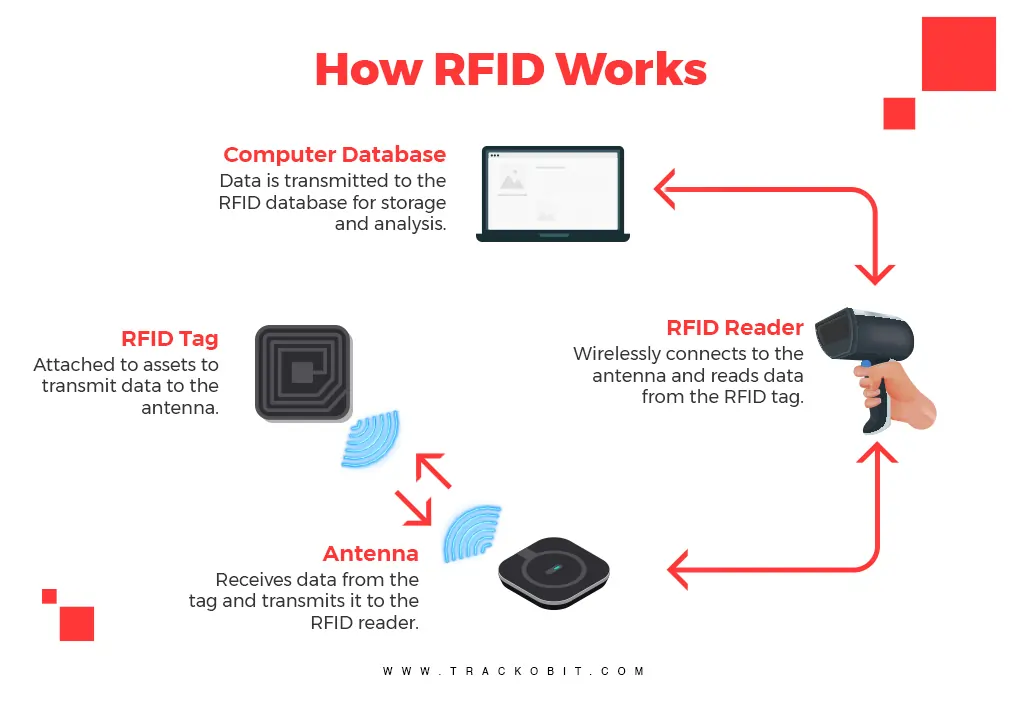
RFID technology, or Radio-Frequency Identification, is a cutting-edge system that utilizes electromagnetic fields to transfer data between a reader and a tag attached to an object. This process involves the use of a reader, which emits a radio signal, and a tag that responds with pre-programmed information. The tags can either be passive, requiring no internal power source, or active, containing their own power supply. Typically, the RFID technology operates within a range of a few inches to several meters, depending on the type of system used.
Applications of RFID technology are vast and varied, influencing numerous industries. For instance, in retail, it enhances inventory management by enabling real-time tracking of products, while in healthcare, it improves patient safety by ensuring accurate tracking of medication and equipment. Other applications include logistics for tracking shipments, manufacturing for asset management, and even in access control systems. The versatility and efficiency of RFID technology make it a significant asset in today's fast-paced world.
Counter-Strike is a highly popular series of multiplayer first-person shooter games that pits terrorists against counter-terrorists in a variety of objective-based scenarios. Players can choose from several game modes, including classic bomb defusal and hostage rescue missions. The game has evolved over the years and remains a staple in competitive gaming, attracting millions of players and fans worldwide. For those interested in useful tech, check out the Top 10 RFID Blocking MagSafe Wallets for safeguarding your cards while enjoying your gaming experience.
The Impact of RFID on Supply Chain Management: Efficiency and Cost Savings
The integration of RFID (Radio Frequency Identification) technology in supply chain management has revolutionized the way businesses track and manage inventory. By providing real-time visibility into product movement, RFID enables companies to enhance their operational efficiency. This technology reduces manual tracking errors and streamlines the inventory management process, resulting in improved accuracy and faster response times. As products move through various stages of the supply chain, RFID tags automatically update their status, allowing businesses to make data-driven decisions and maintain optimal stock levels.
Moreover, the financial implications of implementing RFID systems are significant. According to industry studies, businesses that adopt this technology can achieve substantial cost savings through reduced labor costs and minimized losses from inventory shrinkage. For instance, companies can save on auditing and inventory reconciliation time, which allows staff to focus on more value-added activities. In essence, the deployment of RFID in supply chain management not only enhances operational efficiency but also contributes to a healthier bottom line, making it a valuable investment for modern businesses.
Is RFID the Future of Smart Shopping? Exploring Its Role in Retail
RFID technology, which stands for Radio-Frequency Identification, is rapidly transforming the retail landscape by offering enhanced efficiency and improved customer experiences. With the ability to automate inventory tracking and provide real-time data, RFID is playing a crucial role in the evolution of smart shopping. Retailers can use RFID tags to monitor product availability, reduce theft, and streamline supply chain processes. This technology not only improves operational efficiency but also enhances the customer journey by ensuring that popular items are always available and easily accessible.
Moreover, the integration of RFID systems allows retailers to gather valuable insights about consumer behavior. By analyzing data collected from RFID-enabled transactions, stores can identify purchasing patterns, optimize store layouts, and tailor marketing strategies to better meet customer demands. As this technology continues to mature, we can expect to see even more innovative applications in retail environments, making RFID an essential component of the future of smart shopping. Overall, the potential benefits of adopting RFID are vast, indicating a promising future for both retailers and consumers alike.