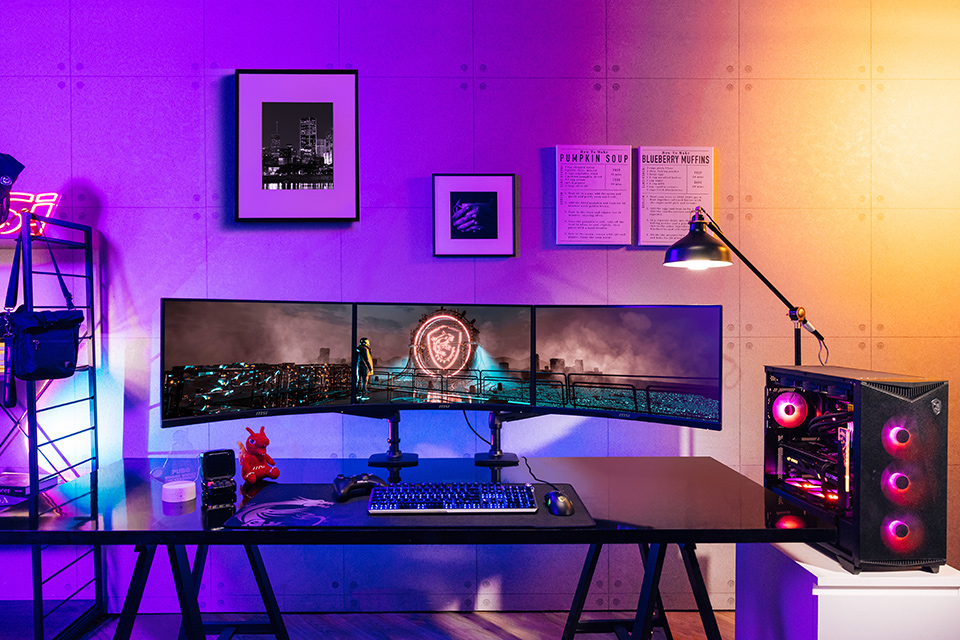
Maximizing Productivity: The Ultimate Guide to an Ergonomic Monitor Setup
Creating an ergonomic monitor setup is essential for maximizing productivity in today's digital workspace. An optimal setup not only enhances comfort but also minimizes the risk of strain and injury. Begin by ensuring your monitor is at eye level; ideally, the top of the screen should be at or slightly below eye level. This position helps maintain a neutral neck position, reducing the chances of neck and shoulder pain. Additionally, position your monitor about an arm's length away, which allows for comfortable viewing without excessive eye strain. To further enhance your setup, consider using a monitor stand or adjustable arm.
Another critical aspect of an ergonomic monitor setup is the arrangement of your workspace. Keeping essential tools within arm's reach and maintaining a clutter-free environment can significantly impact your efficiency. Invest in a quality chair that supports your lower back and allows your feet to rest flat on the floor. Use keyboard and mouse pads with wrist support to reduce strain during prolonged periods of use. Lastly, don't forget to take regular breaks—incorporate the 20-20-20 rule, which involves looking at something 20 feet away for 20 seconds every 20 minutes to give your eyes a rest. Implementing these practices will help you work smarter, not harder.
Keeping your workspace organized is crucial, especially when it comes to managing the myriad of cables needed for monitors. Effective cable management not only enhances the aesthetics of your setup but also improves functionality and safety. For those looking for the best ways to streamline this aspect, check out the Top 10 Cable Management Solutions for Monitors which provide innovative and practical options to keep your cables tidy and easily accessible.
Top 5 Monitor Configurations for Streamlined Workflow
In today's fast-paced digital environment, optimizing your workspace is crucial for productivity. The right monitor configuration can greatly enhance your workflow by allowing you to multitask effectively. Here are the Top 5 Monitor Configurations for Streamlined Workflow:
- Dual Monitors: Utilizing two monitors can significantly expand your screen space, enabling you to have multiple applications open simultaneously. This setup is perfect for users who need to compare documents side-by-side or run software alongside data analysis tools.
- Ultra-Wide Monitor: One ultra-wide monitor provides an expansive viewing area without the bezels that come with dual setups. This configuration is ideal for graphic designers or video editors who require a continuous workspace.
- Vertical Monitor: For coding or reading long documents, a vertical monitor setup can be beneficial. It allows you to view more lines of text and can reduce the need for horizontal scrolling.
- Triple Monitor Setup: For power users needing ultimate multitasking capabilities, a triple monitor configuration can be a game changer. With each screen dedicated to different tasks, your workflow becomes more efficient.
- Dual Laptop Setup: If you work remotely or need flexibility, setting up two laptops can work wonders. Each laptop can run different operating systems or applications, catering to diverse project requirements.
Is Your Monitor Setup Holding You Back? Discover the Best Practices for Optimization
In today's digital age, the efficiency of your workspace can significantly impact your productivity. If you often find yourself grappling with distractions or inefficient workflows, it might be time to evaluate your monitor setup. A poorly configured workspace can hinder your focus and limit your ability to multitask effectively. Is your monitor setup holding you back? Start by assessing the arrangement of your monitors. Ideally, your primary monitor should be positioned directly in front of you, while additional monitors should be angled for easy visibility. This setup minimizes neck strain and allows for seamless transitions between tasks.
Beyond simply positioning your monitors, you should also consider best practices for optimization. Adjustments such as calibrating display brightness, maintaining an appropriate distance from your eyes, and using ergonomic stands can make a world of difference. Regularly updating your display settings based on your work environment can reduce eye strain and enhance clarity, keeping you engaged longer. Additionally, implementing a dual or triple monitor setup can vastly improve your workflow, making it easier to manage multiple tasks simultaneously. Remember, a well-optimized monitor setup not only enhances productivity but also contributes to overall well-being.